

When it comes to maintaining healthy feet and lower limbs as we age, one of the most underappreciated yet highly effective tools is a professional footwear assessment and podiatry review. At AHP Podiatry, we understand that, beyond nail care and callus removal, older Australians and residents in aged-care and independent living communities benefit enormously when footwear is assessed as part of comprehensive podiatry care.
This article will walk you through what a thorough footwear assessment entails, why it’s vital for older adults, the risks posed by poor footwear, how our personalised podiatry approach works in practice, and how to choose appropriate shoes. In other words, we’ll explore how the right footwear supports optimal foot and lower-limb function, mobility, comfort and quality of life.
What a Footwear Assessment Involves
A proper footwear assessment podiatry session begins with a detailed look at fit, support, gait and any prescription footwear needs. First, we check how well the shoe fits your foot – length, width, toe box space, heel fit, and overall comfort. Next, we assess support: arch and heel support, cushioning, sole stiffness and how the foot interacts with the shoe during movement.
We then evaluate gait and lower-limb mobility: how you walk, any deviations, how your foot lands and rolls, and whether the footwear is influencing or exacerbating issues. Finally, when needed, we may recommend or prescribe specialised footwear or orthotic inserts to address particular foot or lower-limb conditions.

In this process, the term podiatry footwear advice becomes central, because simply telling someone “get new shoes” isn’t enough. The advice must reflect the person’s foot structure, mobility level, common activities and any health conditions (such as diabetes or arthritis). That’s why the phrase personalised podiatry assessment is so relevant: each person’s situation is unique and demands tailored solutions.
Clinics offering this kind of careful review highlight that ill-fitting shoes can contribute to corns, calluses, hammertoes and even back or knee pain.
Why Footwear Assessments Are Vital for Older Australians
As we age, foot and lower-limb issues often arise from a mix of factors: decreased muscle strength, reduced joint mobility, thinning skin and increased risk of chronic conditions such as diabetes. The risk of falls also climbs sharply. For example, according to Australian health data, falls in older Australians account for a substantial burden of injury, disability and hospital stays. And the national safety guidelines identify footwear as one of the modifiable risk factors in falls prevention.
Poor footwear can undermine lower-limb mobility support by failing to provide adequate stability, cushioning or fit, leading to foot pain, instability and a higher risk of tripping or falling. In aged-care and independent living settings, residents may have limited ability to get to a shoe store, have changes in foot size or shape, or live with comorbidities such as peripheral neuropathy. That’s precisely where a footwear assessment podiatry approach can make a tangible difference: by proactively reviewing footwear and ensuring it supports mobility, reduces pain and contributes to quality of life. In aged-care foot care settings, this is not optional; it’s essential.
The AHP Podiatry Approach
At AHP Podiatry, we deliver a mobile, tailored service specialising in foot and lower-limb care for older individuals, aged-care facilities, and independent living communities. Our podiatric approach to footwear assessment follows a structured path: first, an on-site comprehensive assessment of feet, gait and current shoes; then, a clear set of recommendations for footwear, potential prescription or orthotic solutions and any necessary foot treatment; finally, regular follow-up to monitor how the footwear is performing, how mobility is improving and adjust as needed.
Our emphasis is on lower-limb mobility support; we don’t just treat feet in isolation, we look at how the feet connect to ankles, knees, hips and how the person moves. In an aged-care environment, this means working with facility staff, residents and families to deliver aged-care foot care that is both preventative and responsive. We call this a personalised podiatry assessment because every client receives a plan designed around their needs, lifestyle, health status and mobility goals. The result? Improved comfort, reduced pain and a lower risk of falls or foot-related complications.
Choosing the Right Footwear
When you’re looking for shoes that meet the goals of a proper podiatry footwear assessment review, here are the features to prioritise:
- Correct fit: The shoe should match the length and width of the foot, allow toes to wiggle freely and not pinch or rub. Studies show that ill-fitting shoes often lead to calluses, nail issues or deformities.
- Supportive heel counter and sole: A firm heel counter, stable broad heel base and a sole that bends only at the ball of the foot support natural foot motion and reduce fatigue.
- Adjustable fastening: Laces, straps or buckles ensure the shoe stays secure on the foot, which is important for older clients whose feet may change shape or swell.
- Slip-resistant and stable tread: Especially for older Australians, a sole that grips helps avoid slips and trips. The external falls-prevention resources emphasise shoes that fit well and offer stability.
- Cushioning and appropriate materials: A shoe should absorb shock and allow for natural foot biomechanics; leather or well-designed synthetic materials often perform better.
- Activity-appropriate design: Whether a resident spends most of their day indoors, uses a walker or participates in fitness, the shoe should support the primary activity level.
Integrating this advice into a podiatry footwear advice session means a shoe shop visit becomes far more informed and tailored. It’s not just “buy comfortable shoes” but “buy shoes that support your feet now, your mobility tomorrow and your quality of life long-term.”
Preventative Foot Health and Long-Term Benefits
Regular footwear assessment in podiatry isn’t just about addressing current discomfort; it’s about preventing future problems. By identifying and correcting footwear issues early, we help mitigate risks of foot pain, mobility decline, diabetic foot complications and ulcers, falls and reduced independence. In aged-care or independent-living environments, this proactive focus aligns with quality of life: less pain, greater confidence in walking, fewer hospital visits, or reduced reliance on support.
Moreover, when your feet are well supported and your lower limbs move efficiently, the entire body benefits, with reduced joint stress, improved posture, and more comfortable mobility. For older Australians, this translates into being able to engage in daily activities safely, maintain independence and remain active. That’s the underlying promise of a comprehensive aged-care foot care program that includes footwear assessments. When service providers like us deliver personalised podiatry assessments and follow-ups, the difference is fewer falls, less pain and better movement.
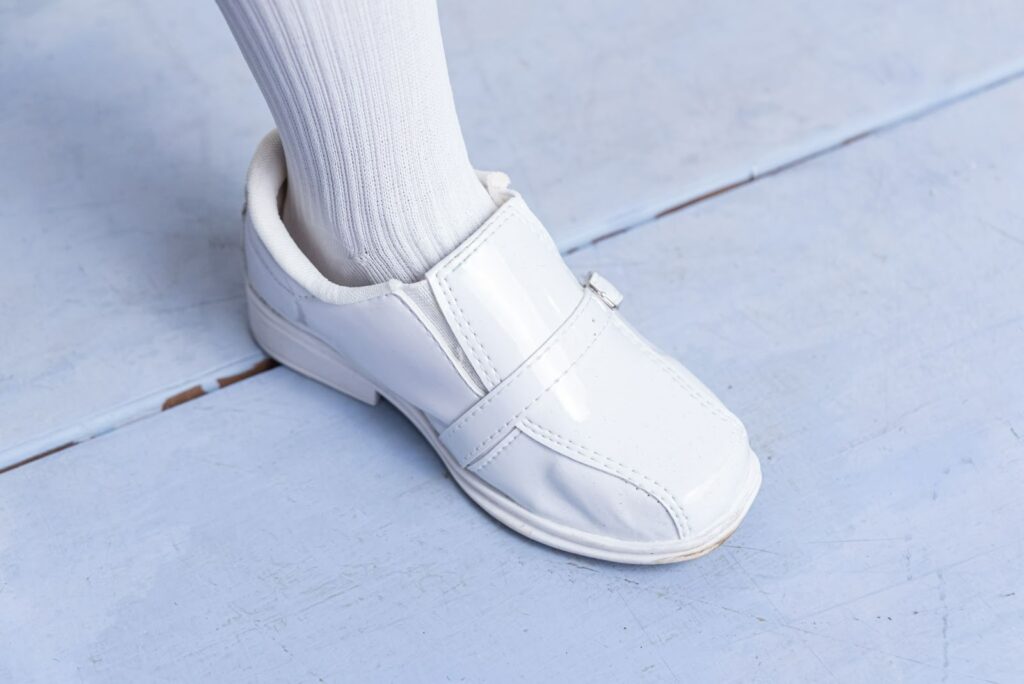
In summary, a professional footwear assessment podiatry session is a vital component of foot and lower-limb health, especially for older Australians or those in aged-care and independent-living settings. By focusing on fit, support, gait and prescription footwear, and by delivering tailored advice and ongoing care, it is possible to reduce foot-related pain, support mobility, and enhance quality of life. At AHP Podiatry, we bring expertise, care and mobility-based solutions directly to clients and facilities. If you are looking for a trusted partner in performance-based foot care, including comprehensive footwear assessment, contact us.
Remember, the right footwear isn’t an optional extra, it’s part of a full strategy for healthy ageing, safe movement and foot wellness. Regular podiatry footwear assessment is your best step towards better walking, less pain and more independence.
