
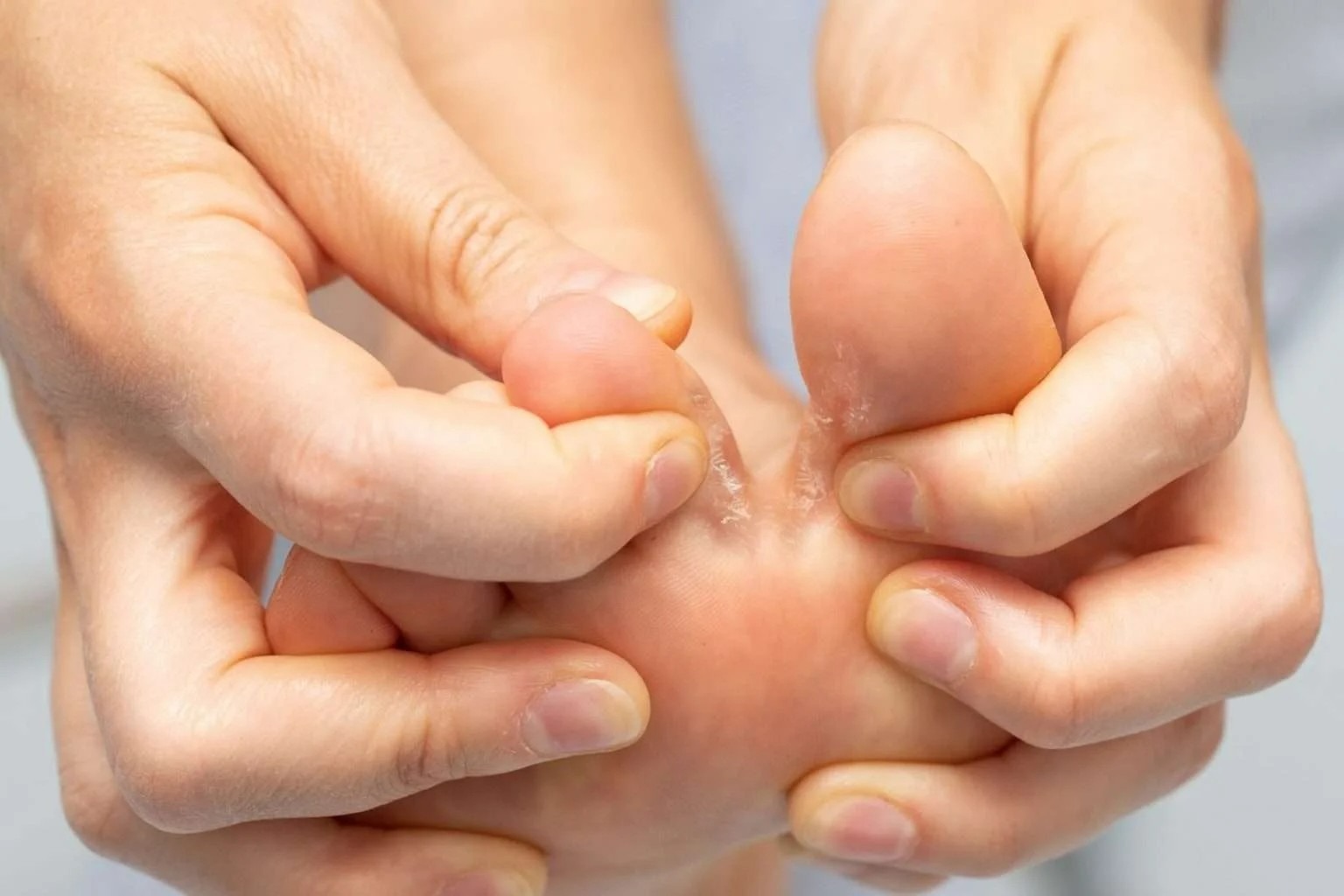
If you’re a Sydney resident experiencing itchy, cracked or peeling skin between your toes, you may be dealing with athlete’s foot. At AHP Podiatry we see this fungal foot problem across aged-care, independent living and individual clients, especially in our warm, humid local climate and communal-living settings.
In this article we’ll walk you through what athlete’s foot means for Sydney residents, the symptoms to watch, risk factors, treatment options, prevention tips and how our personalised podiatry approach can support you.
What is Athlete’s Foot and Why It’s Relevant in Sydney
The term athlete’s foot simply means a case of the fungal infection (medically known as tinea pedis). It’s caused by fungi that thrive in warm, moist environments.
Fungal spores settle on feet, socks, shoes, or shared surfaces, and then multiply when the skin stays damp. Because many aged-care facilities, independent living communities and homes in the Sydney area use communal showers, shared slippers or stay in humid conditions, the risk of athlete’s foot infections rises.
At AHP Podiatry, we understand that this isn’t just a nuisance; it can affect mobility, comfort and overall foot health.
Key Symptoms to Watch Out For
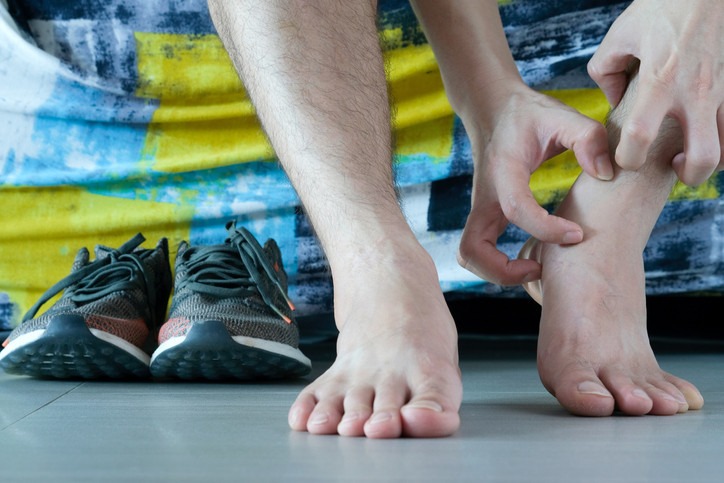
If you suspect athlete’s foot, here are the main symptoms you should recognise:
- Itchy, red or flaky skin between your toes or on the sole of the foot.
- Cracked or split skin, sometimes with blistering or peeling.
- A burning or stinging sensation, particularly after removing shoes or socks.
- Odour or mild discharge in more advanced cases.
- If the infection spreads to the nails, you may notice thickened or discoloured nails (which could require professional intervention).
In aged-care or independent living settings, where mobility or sensation may already be compromised, these symptoms can escalate rapidly. Recognising them early means we can act before the foot health impacts your mobility or quality of life.
Specific Risk Factors in Aged-Care, Independent Living and Sydney Climate
There are several risk factors that make athlete’s foot more likely, especially in your target clientele (aged-care residents, independent living, individuals):
- Ageing skin and reduced mobility: As people age, skin gets thinner, circulation may be poorer, and foot hygiene may be harder to maintain. This makes infection more likely.
- Communal showers, shared slippers or surfaces: These environments facilitate transmission of the fungi from one person’s feet to another.
- Confined/closed footwear and heavy perspiration: Closed-in shoes, sweaty feet and poor ventilation create the perfect fungal breeding ground (very applicable in humid Sydney summers).
- Compromised skin integrity: Cuts, cracks, moisture-softened skin, or conditions like diabetes make the skin more vulnerable to infection.
- Mobility issues or reduced independence: If someone cannot easily inspect or care for their feet, infections may be left unattended and worsen.
Recognising these factors is key for prevention and timely podiatry care, especially when you’re providing for aged-care or independent living community residents.
How Timely Podiatry Intervention Prevents Complications
When it comes to athlete’s foot, early intervention by qualified podiatrists (like those at AHP Podiatry) can prevent it from progressing to more serious issues. Here’s how:
- If left untreated, athlete’s foot can spread to toenails, cause secondary bacterial infection, cellulitis or even impact movement (due to pain or skin damage).
- A podiatrist can assess the infection, identify if there are underlying foot health issues (circulation, sensation, mobility) and provide the correct treatment plan.
- In aged-care or independent living contexts, the podiatrist can monitor foot health over time to prevent recurrence of athlete’s foot and maintain mobility and comfort.
- Because AHP Podiatry specialises in personalised lower-limb and foot care for mobility-affected clients, we are well placed to intervene before an infection becomes a broader mobility problem.
Treatment Options in Sydney: Over-the-Counter vs Podiatrist-Led
Athlete’s foot treatment falls into two broad camps: self-care (over-the-counter) and professional podiatry.
Over-the-counter
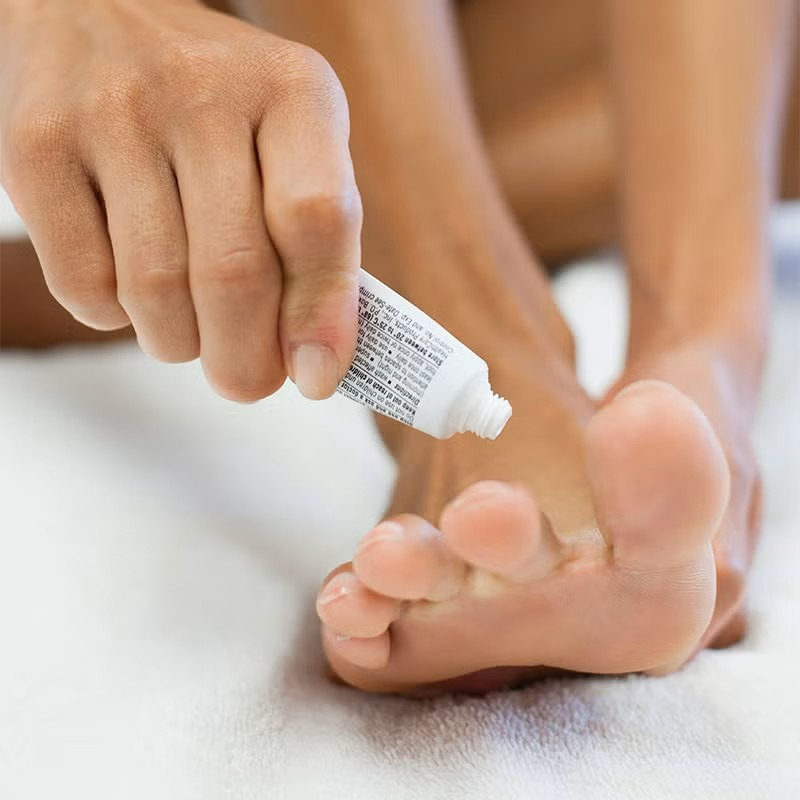
Mild cases may respond to readily available antifungal creams, sprays or powders. For example, the Australian government-supported Healthdirect outlines creams for “tinea”, including athlete’s foot. These products can work for simple cases if used thoroughly, wash and dry the feet, apply as directed, and continue after symptoms disappear.
When to seek podiatrist-led care:
- If the infection keeps recurring, spreading or involves toenails.
- If the skin is cracked, bleeding, or you have an underlying condition (e.g. diabetes, poor circulation).
- When mobility is impacted or you’re in an aged-care / independent living scenario where ongoing monitoring is helpful.
At AHP Podiatry, our process involves a full foot assessment, diagnosis of fungal involvement, removal of infected skin (if needed), advice on footwear, hygiene, and follow-up to ensure the infection clears and remains clear.
Prevention Tips Tailored for AHP’s Clientele
Preventing athlete’s foot is much about good routines and environment-aware choices, especially in aged-care and independent living communities across Sydney. Here are targeted prevention strategies:
- Foot hygiene routines: Wash feet daily (especially between the toes), dry thoroughly, then apply a light moisture-blocking product if needed.
- Footwear advice: Choose breathable shoes (leather or mesh) rather than synthetic closed shoes; change socks daily (preferably natural fibres or moisture-wicking).
- Manage sweat and humidity: In Sydney’s warm/humid climate, keep feet as cool and dry as possible, air shoes overnight, rotate footwear, and avoid going barefoot in communal wet areas.
- Use thongs/flip-flops in shared shower or pool areas: The fungi spread easily via communal wet floors.
- Routine podiatry check-ups: At AHP Podiatry, we recommend periodic foot checks for people in aged-care or independent living settings to catch early signs of athlete’s foot and other foot health issues in Sydney.
- Education and monitoring: Make sure care staff, community managers and residents know to look out for symptoms, and act early rather than waiting for discomfort to grow.
How AHP Podiatry’s Personalised Approach Works
At AHP Podiatry in Sydney, our specialised foot and lower-limb care is built around personalised plans and mobility support. For athlete’s foot issues, our approach typically includes:
- A detailed assessment of the feet, skin condition, footwear, mobility and communal living context.
- An individualised care plan, for example, recommending an antifungal treatment, footwear changes, hygiene adjustments and a podiatry follow-up.
- Focus on mobility and quality of life, particularly for aged-care or independent living residents, we don’t just treat the infection, we ensure the foot remains functional, comfortable and safe.
- Facility-based or home-based visits when required, meaning we come to you in the aged-care community, independent living facility or home, maximising convenience and ongoing monitoring.
- Education for residents, families and staff, empowering everyone living across Sydney to recognise early signs of athlete’s foot and reduce the risk of recurrence or complications.
This personalised, proactive model ensures that foot health is maintained, infections are addressed early, and mobility remains intact.
Don’t let athlete’s foot undermine your comfort or mobility. If you’re experiencing recurrent foot fungal infections, cracked or itchy skin, or you care for someone in aged-care or independent living and want peace of mind, book an assessment with AHP Podiatry today. Our specialised team will help you tackle the issue, prevent recurrence and stay on your feet with confidence and care.
