
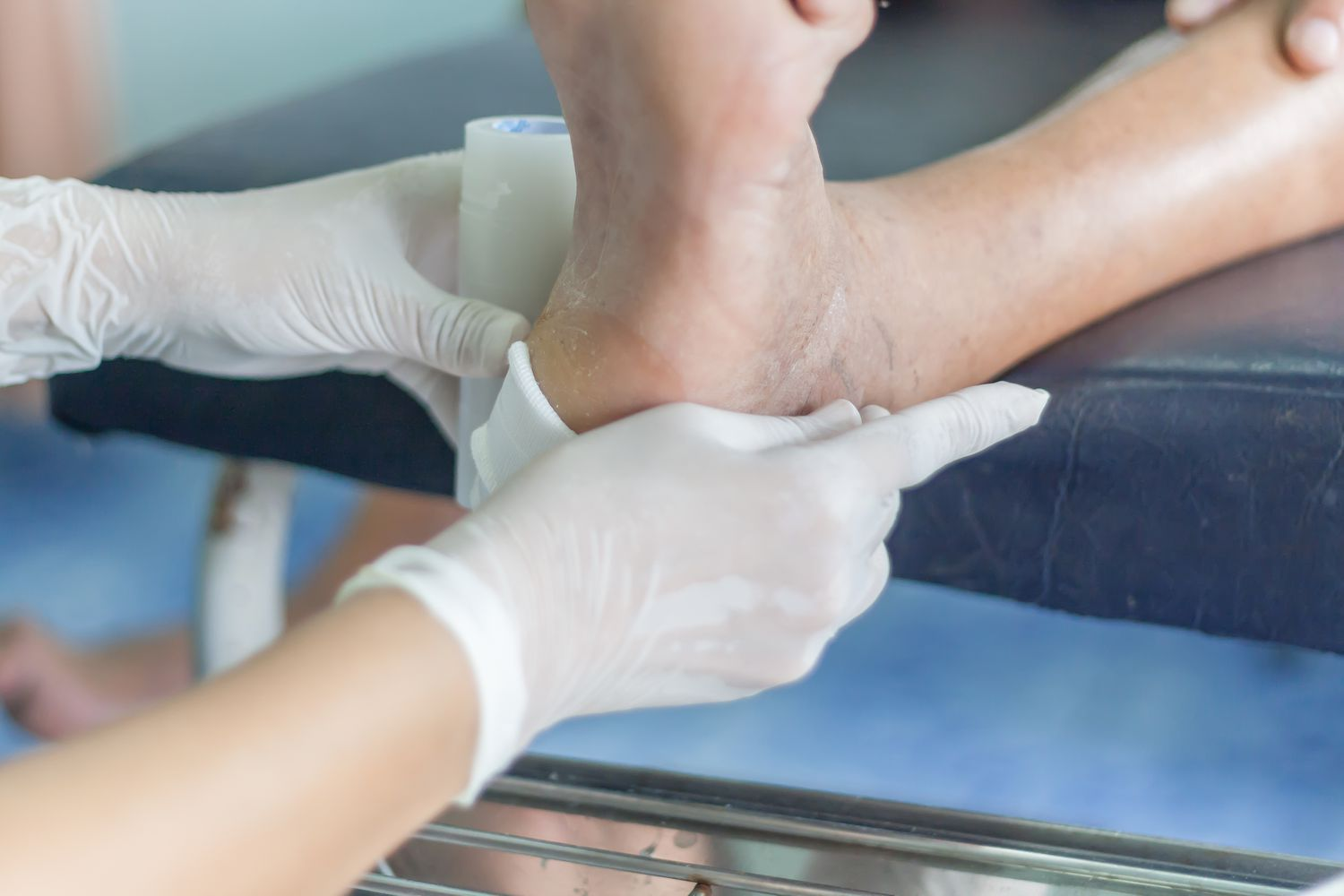
Diabetes is a serious condition that affects millions of Australians, and one of its most challenging complications is the development of foot ulcers. Effective wound care for diabetic foot ulcers is essential not only to promote healing but also to prevent infections and other severe outcomes such as amputation. At AHP Podiatry, we understand the unique challenges these wounds present and provide specialised care tailored to each person’s needs.
In this article, we will explore what diabetic foot ulcers are, how to recognise early signs, the crucial role podiatrists play in managing these wounds, and best practices for wound care and prevention. Our aim is to help you protect your feet and maintain your mobility.
What Are Diabetic Foot Ulcers?
A diabetic foot ulcer is an open sore or wound that typically develops on the bottom of the foot in people with diabetes. These ulcers result primarily from a combination of factors that diabetes can cause, such as nerve damage (neuropathy) and poor blood circulation. When nerves are damaged, it becomes harder to feel pain or discomfort, meaning small injuries can go unnoticed and worsen over time.
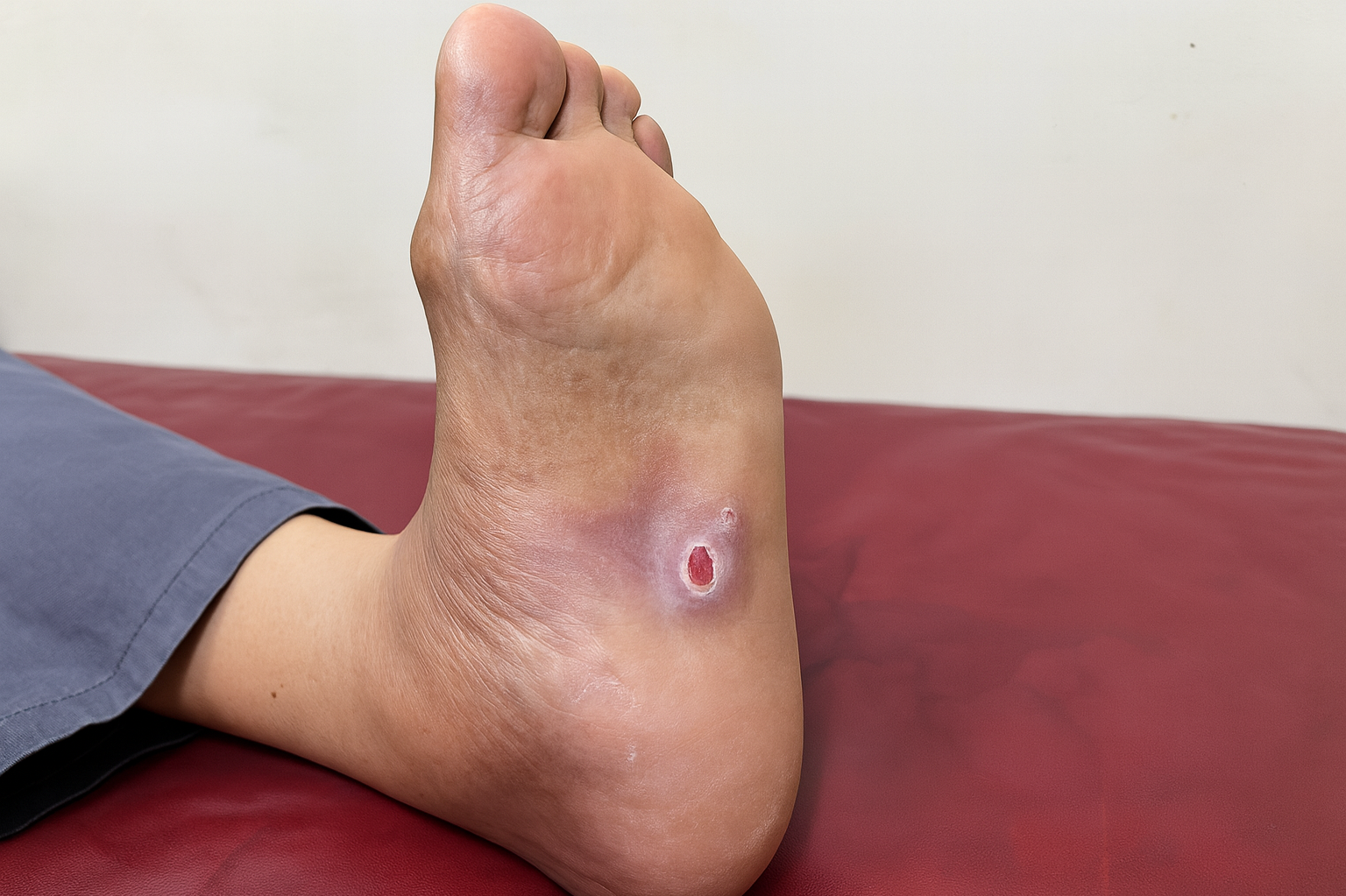
People with diabetes are also at risk because their immune system may not respond as effectively to infections, making even minor wounds prone to complications. The longer a wound remains untreated, the greater the risk of serious infection or tissue damage. This is why wound care for diabetic foot ulcers is a critical part of diabetes management.
Early Signs and Symptoms to Watch For
Early detection is key to successful treatment. Knowing the signs of diabetic foot ulcers can help prevent complications before they develop. Watch for redness, swelling, and any open wounds or sores on the feet. Persistent pain, unusual numbness, or tingling sensations can also indicate nerve damage or the beginning of an ulcer.
Regular daily foot checks are vital, especially for those with diabetes. Look carefully between your toes and under your feet for cuts, blisters, calluses, or discolouration. These small issues can quickly escalate without proper care. When caught early, wound care for diabetic foot ulcers is more effective, reducing the risk of infection and promoting faster healing.
The Role of Podiatrists in Wound Care for Diabetic Foot Ulcers
Podiatrists are specially trained in foot and lower limb health and play a crucial role in managing diabetic foot ulcers. At AHP Podiatry, our specialists conduct thorough assessments to understand the wound’s size, depth, and severity. This helps us create personalised treatment plans tailored to each patient’s specific needs.
Wound care for diabetic foot ulcers involves several key steps managed by podiatrists. These include wound cleaning to remove dead tissue and reduce infection risk, carefully applied dressings that protect the wound while allowing it to breathe, and pressure offloading techniques. Pressure relief/offloading reduces weight on the ulcer, allowing it to heal more quickly and preventing new wounds from forming.
Moreover, podiatrists provide ongoing mobility support and pain management strategies, aiming to improve quality of life. This specialist care is essential because diabetic foot ulcers can easily worsen without specialist intervention.
Best Practices in Wound Care for Diabetic Foot Ulcers
Successful management of diabetic foot ulcers requires a combination of proper wound care and prevention. Podiatrists at AHP Podiatry use advanced cleaning methods to remove bacteria and dead tissue safely. Dressings are selected based on the wound’s condition; some maintain moisture to support healing, while others protect against infection.
Pressure offloading remains a cornerstone of effective wound care for diabetic foot ulcers. This might involve customised orthotic devices, specialised footwear, or casts designed to take pressure off vulnerable areas of the foot.
Consistent monitoring is another critical aspect. Regular follow-ups with a podiatrist ensure the wound is healing as expected and allow adjustments to treatment plans. Without this ongoing care, wounds can stall or worsen.
Patients should also avoid self-treating diabetic foot ulcers with home remedies or over-the-counter products, as improper care can lead to infection or complications. Professional podiatry services offer a safe, effective path to healing.
Prevention Tips to Avoid Diabetic Foot Ulcers
Preventing diabetic foot ulcers is always better than treating them. A key part of preventing foot care issues is managing diabetes effectively. Good diabetes management includes keeping blood sugar levels within target ranges, as uncontrolled diabetes increases the risk of nerve and vascular damage.
Daily foot checks are equally important. Inspect your feet every day for any signs of injury, redness, or swelling. Maintaining good foot hygiene, washing feet daily with mild soap and drying carefully between toes, also helps reduce the risk of wounds developing.
Wearing well-fitting, supportive footwear designed for people with diabetes can prevent pressure points and injuries. Avoid walking barefoot, especially outdoors.
If you notice even minor foot problems, seek podiatry advice promptly. Early intervention is crucial in preventing minor issues from becoming serious ulcers.
For more detailed advice on daily foot care and diabetes management, Diabetes Australia provides reliable and practical resources to help people living with diabetes look after their feet effectively.
When to Seek Urgent Medical Attention
While many diabetic foot ulcers respond well to timely care, some signs indicate urgent medical attention is necessary. If you notice increasing redness or swelling spreading beyond the wound, discharge that smells foul or is coloured, fever, or severe pain, these could be signs of infection requiring immediate treatment.
Other urgent signs include wounds that fail to heal despite care, darkening or blackening tissue around the ulcer (which could indicate gangrene), or sudden changes in foot sensation.
Delaying treatment can lead to serious complications, including deep infections, bone infection (osteomyelitis), or even amputation. If any of these signs appear, contact your podiatrist or healthcare provider immediately.

Wound care for diabetic foot ulcers is a vital part of living well with diabetes. Understanding the causes, recognising early signs, and engaging with professional podiatry care can make a significant difference in healing outcomes. At AHP Podiatry, we are committed to providing personalised, comprehensive foot care that supports mobility and improves quality of life.
If you or a loved one has diabetes, prioritising foot health through regular checks, good hygiene, and specialist treatment can prevent serious complications. For personalised podiatry care and wound management, contact us today.
